
As seasons change in Huber Heights, Ohio, your home's locks and security systems face different challenges from harsh winter freezes to humid summer months. Regular seasonal maintenance isn't just about preventing lockouts—it's about protecting your family and property year-round. Many homeowners overlook their locks until a problem occurs, but proactive maintenance can save you from costly emergency repairs and enhance your home's security. Whether you're dealing with frozen locks in January or sticky mechanisms in July, understanding how to care for your locks throughout the year will ensure they function reliably when you need them most.
Why Seasonal Lock Maintenance Matters
Your locks are exposed to the elements every single day, experiencing temperature fluctuations, moisture, dust, and general wear and tear. In Huber Heights, where we experience all four seasons distinctly, locks endure freezing temperatures, ice, snow, spring rain, summer humidity, and fall debris. These environmental factors can cause mechanisms to rust, freeze, stick, or fail completely. Regular maintenance extends the lifespan of your locks, prevents unexpected failures, and ensures your home security remains uncompromised. Just as you wouldn't skip routine maintenance on your vehicle or HVAC system, your locks deserve the same attention to detail.
Spring Lock Maintenance Checklist
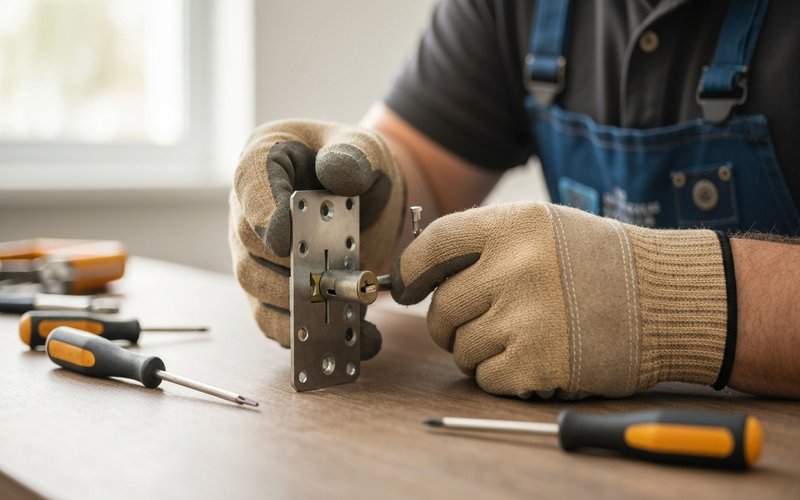
Spring is the perfect time to assess winter damage and prepare your locks for the warmer months ahead. Start by conducting a thorough inspection of all entry points to your home. Winter's harsh conditions may have caused unseen damage that needs addressing before it becomes a serious problem.
Inspect for Winter Damage
Begin by examining all exterior locks for signs of moisture damage, rust, or corrosion. Look closely at deadbolts, door handles, and garage door locks. Check for any loose screws or hardware that may have worked free during winter's freeze-thaw cycles. Pay special attention to locks that face north or receive less sunlight, as these are more susceptible to moisture retention.
Clean and Lubricate
Spring cleaning should include your locks. Remove dust, pollen, and debris that has accumulated over the winter months. Use a soft brush or compressed air to clean out keyholes and lock mechanisms. Apply a graphite-based lubricant specifically designed for locks—avoid oil-based products that attract dust and can gum up mechanisms. Insert your key several times after lubricating to distribute the product evenly throughout the lock cylinder.
Test All Keys and Locks
This is an excellent time to test every key with its corresponding lock. Keys that stick, require excessive force, or don't turn smoothly indicate a problem that needs addressing. Make copies of any worn keys before they break off in a lock. Check that all deadbolts extend and retract fully, and ensure door latches align properly with strike plates.
Summer Lock Care Strategies
Summer in Huber Heights brings humidity and heat, which present unique challenges for your home's security hardware. High humidity can cause wooden doors to swell, affecting lock alignment, while intense heat can impact certain lock components.
Address Humidity Issues
Humidity can cause locks to stick and doors to swell, creating misalignment problems. If you notice your deadbolt becoming harder to engage, the issue may be door movement rather than the lock itself. Check the alignment of your strike plates and adjust if necessary. Consider using a dehumidifier in entryways that seem particularly affected by moisture.
Maintain Outdoor Locks
Gate locks, shed locks, and other outdoor security hardware require extra attention during summer. These locks face direct exposure to sun, rain, and humidity. Clean them monthly during summer months and apply weatherproof lubricant. Consider installing lock covers or choosing locks specifically rated for outdoor use if you notice persistent problems.
Vacation Security Preparation
Before summer vacation, test all locks to ensure they're functioning perfectly. You don't want to return home to a lock that failed while you were away. Have a trusted neighbor check your doors periodically, and consider upgrading to smart locks that allow you to monitor your home remotely.
Fall Lock Preparation
Fall is your opportunity to prepare locks for the coming winter. This preventive maintenance can save you from frozen locks and emergency locksmith calls during the coldest months.
Remove Debris and Leaves
Falling leaves and debris can accumulate around door frames and in lock mechanisms. Regularly sweep away leaves from entryways and clean out any plant material that may have gotten into exterior locks. This organic matter retains moisture and can promote rust and corrosion.
Weatherproofing Assessment
Inspect weatherstripping around doors and ensure it's intact. Damaged weatherstripping allows moisture to reach locks and hardware. Check that door overhangs and awnings adequately protect locks from rain and snow. Consider applying a thin coat of WD-40 to exterior lock faces (not inside the mechanism) to create a moisture barrier.
Check Door Alignment
As temperatures begin to drop, wooden doors start contracting. This is the time to check that all doors close properly and locks align with strike plates. Misalignment causes unnecessary wear on locks and compromises security. Adjust strike plates or door hinges as needed to ensure smooth operation.
Winter Lock Protection
Winter presents the most significant challenges for locks in Huber Heights. Freezing temperatures, ice, and snow can cause locks to freeze solid, leaving you locked out in dangerous cold.
Prevent Lock Freezing
The best defense against frozen locks is keeping moisture out. Apply graphite lubricant before winter arrives—graphite doesn't freeze like oil-based products. For locks that frequently freeze, consider installing a lock cover or small awning to shield them from direct snow and ice. Never pour hot water on a frozen lock, as this can damage internal components and create more ice.
De-Icing Solutions
If you encounter a frozen lock, use a lock de-icer spray or gently warm your key with a lighter before inserting it. Commercial de-icers are affordable and should be kept handy during winter months. Hand sanitizer containing alcohol can also work in a pinch, as the alcohol melts ice without damaging lock mechanisms.
Garage Door Locks
Garage door locks are particularly vulnerable to freezing. Lubricate these locks monthly during winter and check that moisture isn't accumulating inside your garage. If you have an automatic garage door opener, ensure the manual lock isn't engaged, as this can damage the opener motor.
Year-Round Maintenance Best Practices
Some lock maintenance tasks should be performed consistently throughout the year, regardless of season. These practices form the foundation of good lock care and security maintenance.
Regular Lock Inspections
Conduct monthly visual inspections of all locks. Look for signs of tampering, wear, rust, or loose components. Catching small issues early prevents major problems later. Keep a simple maintenance log noting when you last serviced each lock.
Key Management
Manage your keys wisely by avoiding overloaded key rings that can damage lock cylinders. Replace worn or bent keys immediately. Never force a sticky key—this indicates a problem that needs professional attention. Consider having master keys professionally cut rather than using copies of copies, which lose precision.
Professional Locksmith Inspections
While DIY maintenance is valuable, schedule professional locksmith inspections annually. Professional locksmiths can identify wear patterns, security vulnerabilities, and potential failures before they occur. They have specialized tools and expertise to service locks properly and can recommend upgrades when appropriate.
Signs You Need Professional Lock Service
Knowing when to call a professional locksmith saves you from security risks and prevents minor issues from becoming emergencies. Watch for these warning signs:
- Keys that stick, jam, or require excessive force to turn
- Locks that don't engage or disengage smoothly
- Visible rust, corrosion, or damage to lock components
- Keys that no longer work in locks they previously opened
- Loose door handles or wobbly lock cylinders
- Difficulty inserting keys into lock cylinders
- Deadbolts that don't extend fully
- Evidence of attempted break-ins or tampering
Upgrading Your Home Security
As you maintain your existing locks, consider whether it's time for security upgrades. Lock technology has advanced significantly in recent years, offering enhanced security and convenience. Smart locks provide keyless entry and remote monitoring. High-security deadbolts offer superior protection against picking and forced entry. If your locks are over ten years old, replacement might be more cost-effective than continued repairs.
Contact Huber Heights Locksmith for Expert Service
Proper seasonal lock maintenance protects your family and property throughout the year. While many maintenance tasks can be handled by homeowners, professional service ensures your locks receive expert care and attention. Whether you need emergency lockout service, security upgrades, or routine maintenance, Huber Heights Locksmith is here to help.
Our experienced technicians understand the unique challenges that Huber Heights weather presents to your home's security systems. We offer comprehensive lock services including installation, repair, rekeying, and emergency assistance. Don't wait until you're locked out in freezing temperatures or discover a broken lock at the worst possible moment.
Call Huber Heights Locksmith today to schedule your seasonal lock inspection and ensure your home remains secure all year long. Our mobile service team responds quickly throughout the Huber Heights area, and we're available when you need us most. Protect your investment and your peace of mind with professional locksmith services from your trusted local experts.